The next step is yours.
Breast reconstruction restores shape and symmetry after mastectomy — and it is part of your recovery, not separate from it. Dr. Larry Nichter has spent a career at the intersection of reconstructive and aesthetic surgery, the combination of skills that this procedure demands. Insurance coverage is required by federal law.
Request a Private Consultation
The procedure
Breast Reconstruction in Newport Beach
Breast reconstruction is surgery to rebuild the shape and appearance of one or both breasts after mastectomy or lumpectomy. It is a medically necessary procedure — not cosmetic surgery — and is covered by insurance under the Women's Health and Cancer Rights Act (WHCRA) of 1998.
Reconstruction can be performed at the time of mastectomy (immediate reconstruction) or months or years afterward (delayed reconstruction). It can use breast implants, the patient's own tissue transferred from another part of the body (autologous reconstruction), or a combination of both. The right approach depends on the patient's anatomy, cancer treatment plan, personal preferences, and overall health.
For many women, reconstruction is a critical part of recovery after breast cancer. It belongs in the treatment plan alongside every other decision about your care. Dr. Nichter understands the weight of this procedure. His background spans both reconstructive and aesthetic plastic surgery, and he brings the precision of aesthetic work to a procedure driven by medical necessity.
His approach
Where Reconstructive and Aesthetic Surgery Meet
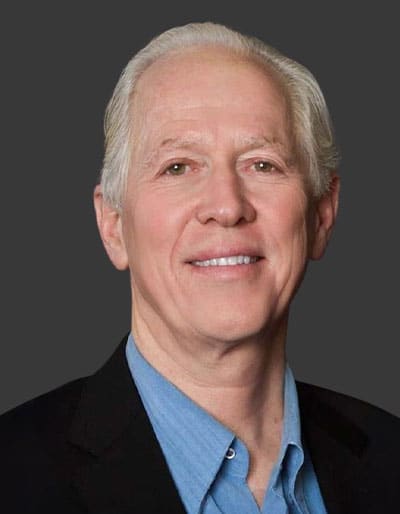
Breast reconstruction requires a surgeon who thinks like a reconstructive surgeon and operates like an aesthetic one. Rebuilding a breast after mastectomy is not simply about placing an implant or transferring tissue — it is about restoring a shape that looks and feels natural and matches the opposite side.
Dr. Nichter's career has spanned both disciplines. As a former tenured Professor of Plastic Surgery at USC, he trained surgeons in the full spectrum of reconstructive and aesthetic technique. As the founder of Mission Plasticos, he has performed complex reconstructive surgery across more than seventy international medical missions. This dual background — academic reconstructive training combined with decades of aesthetic practice — directly informs how he approaches breast reconstruction.
He offers both major categories of reconstruction:
Implant-based reconstruction uses a tissue expander placed at the time of mastectomy, gradually stretched over several weeks, and then replaced with a permanent implant in a second procedure. This approach involves shorter initial surgery and recovery but requires multiple stages.
Autologous (tissue-based) reconstruction uses the patient's own skin, fat, and sometimes muscle from another part of the body — most commonly the abdomen (DIEP flap or TRAM flap) — to create a new breast. The result is a breast made entirely of living tissue that ages naturally with the body. This approach involves a longer initial surgery but produces a permanent result without implants.
Dr. Nichter discusses both options during consultation, along with the timing of reconstruction relative to cancer treatment, and recommends the approach that best fits the patient's anatomy, treatment plan, and goals.
Is it right for you
Am I a Good Candidate for Breast Reconstruction?
Breast reconstruction is available to any woman who has undergone or is planning a mastectomy or lumpectomy, regardless of when the original surgery occurred.
You may be a candidate for reconstruction if:
- You have had a mastectomy (single or bilateral) and want to restore breast shape
- You are planning a mastectomy and want to discuss immediate reconstruction with your surgical oncologist
- You had a mastectomy years ago and are now considering delayed reconstruction
- You had a previous reconstruction that produced an unsatisfactory result and want revision
- You are in overall health sufficient for surgery (your oncologist and Dr. Nichter will coordinate on timing)
For autologous reconstruction (DIEP flap), you will need adequate donor tissue — typically from the lower abdomen. Patients who are very thin or who have had prior abdominal surgery may have limited options for tissue transfer.
Reconstruction can be performed at any age. Timing relative to radiation therapy and chemotherapy is an important consideration that Dr. Nichter coordinates with your cancer care team.
What to expect
What to Expect
Consultation and Planning
Reconstruction planning often begins before mastectomy, in coordination with your breast surgeon and oncologist. Dr. Nichter reviews your cancer treatment plan, examines your anatomy, discusses the reconstruction options available to you, and explains the timeline and stages involved. If you are considering immediate reconstruction, this consultation ideally happens before your mastectomy date.
For patients seeking delayed reconstruction — months or years after mastectomy — the consultation assesses the current condition of the chest tissue and determines the best reconstructive approach.
Implant-Based Reconstruction
This typically involves two stages:
- Tissue expansion — At the time of mastectomy (or in a subsequent procedure), a tissue expander is placed beneath the chest muscle. Over several weeks, the expander is gradually filled with saline during office visits, stretching the skin and muscle to create space for a permanent implant.
- Implant exchange — Once expansion is complete and the tissue has stabilized, the expander is replaced with a permanent silicone or saline implant in a shorter second surgery.
Nipple reconstruction and areola tattooing can be performed as additional stages once the breast shape has settled.
Autologous Reconstruction (DIEP Flap)
The DIEP (Deep Inferior Epigastric Perforator) flap transfers skin, fat, and blood vessels from the lower abdomen to the chest, where the tissue is shaped into a new breast and the blood vessels are reconnected using microsurgical techniques. No abdominal muscle is removed, preserving core strength.
This is a longer procedure — typically six to eight hours — performed under general anesthesia, with a hospital stay of three to four days. The result is a breast made entirely of the patient's own tissue, with the secondary benefit of abdominal contouring similar to a tummy tuck.
Immediately After
You will remain in the hospital for monitoring — typically overnight for implant-based procedures and three to four days for DIEP flap reconstruction. Drains are placed to prevent fluid accumulation. Pain is managed with medication. You will receive detailed instructions for each phase of recovery.
Recovery
Recovery and Downtime
Recovery from breast reconstruction varies significantly between implant-based and autologous approaches.
Implant-Based Reconstruction
Expansion Phase
You return to the office every one to two weeks for saline fills. Each visit takes a few minutes. Most patients continue normal light activity during this phase.
After Implant Exchange
Recovery is similar to breast augmentation — one to two weeks of restricted activity, with most patients returning to work within two weeks. Full activity resumes by six weeks.
Autologous (DIEP Flap) Reconstruction
The First Few Days
You remain in the hospital for monitoring of the transferred tissue's blood supply. Pain is managed with medication. Movement is limited.
Weeks One Through Three
Gradually increasing mobility. Drains are removed as output decreases. You will have restrictions on lifting, bending, and abdominal exertion due to the donor site.
Weeks Four Through Eight
Most patients return to work by four to six weeks. Light exercise resumes. The abdominal donor site continues to heal.
Three Months and Beyond
Full activity resumes. The reconstructed breast settles into its final shape. Nipple reconstruction, if desired, is typically performed three to four months after the initial reconstruction. Final results emerge over six to twelve months.
Results
Results
Breast reconstruction restores the shape and contour of the breast — in clothing, in the mirror, and in daily life. For many patients, it marks the point where recovery from cancer treatment begins to feel complete.
Implant-based reconstruction produces a result that is stable and symmetrical, though the reconstructed breast will feel firmer than a natural breast. Implants may need replacement over time.
Autologous reconstruction produces a breast made of living tissue that ages naturally with the body. It typically feels softer and more natural than an implant-based reconstruction. Because no implant is involved, there is no future need for replacement.
Both approaches can be refined over time with nipple reconstruction, areola tattooing, fat grafting for contour refinement, and revision surgery to achieve the best possible symmetry with the opposite breast.
Breast reconstruction was performed by Dr. Nichter to correct significant breast asymmetry. Using a donut lift and breast implants he was able to dramatically improve the appearance of the breasts.
Coverage
Insurance and Coverage
Breast reconstruction after mastectomy is covered by insurance. The Women's Health and Cancer Rights Act (WHCRA) of 1998 requires all health plans that cover mastectomy to also cover:
- Reconstruction of the breast on which the mastectomy was performed
- Surgery and reconstruction of the opposite breast to achieve symmetry
- Prostheses (breast implants)
- Treatment of physical complications of mastectomy, including lymphedema
This coverage applies regardless of when reconstruction is performed — immediately or years after mastectomy. Dr. Nichter's office can help you understand your specific coverage and coordinate with your insurance provider.
Common questions
Frequently Asked Questions
When can reconstruction be performed — does it have to happen at the same time as mastectomy?
No. Reconstruction can be performed immediately (at the time of mastectomy) or delayed (months or years later). Immediate reconstruction has aesthetic advantages — the breast skin envelope is preserved — but some patients prefer or need to wait, particularly if radiation therapy is part of their treatment plan. Dr. Nichter will discuss timing with you and your oncologist.
What is the difference between implant-based and autologous reconstruction?
Implant-based reconstruction uses a tissue expander and then a permanent implant to restore breast shape. Autologous reconstruction (such as the DIEP flap) uses your own tissue — typically from the abdomen — to build a new breast. The choice depends on your anatomy, treatment plan, and preferences. Dr. Nichter discusses both options during consultation.
What is a DIEP flap?
The DIEP (Deep Inferior Epigastric Perforator) flap takes skin, fat, and blood vessels from the lower abdomen and transfers them to the chest using microsurgical techniques. Unlike the older TRAM flap, the DIEP does not remove abdominal muscle, preserving core strength. The procedure is longer (six to eight hours) but creates a breast made entirely of living tissue.
Does insurance cover breast reconstruction?
Yes. Federal law (WHCRA) requires insurance to cover breast reconstruction after mastectomy, including surgery on the opposite breast for symmetry. This applies regardless of when reconstruction is performed.
Will the reconstructed breast feel natural?
This depends on the technique. Autologous reconstruction generally feels softer and more natural because it uses your own tissue. Implant-based reconstruction feels firmer. Sensation in the reconstructed breast is typically diminished — some returns over time, but full sensation is not expected.
Can reconstruction be performed after radiation?
Yes, though radiation can affect tissue quality and healing. Dr. Nichter takes prior radiation into account when planning the reconstruction approach and may recommend autologous tissue over implants if the chest wall has been significantly affected.
How many surgeries will reconstruction require?
Implant-based reconstruction typically involves two main procedures: tissue expansion and implant exchange. Autologous reconstruction is usually completed in one major surgery. Both approaches may involve additional refinement procedures — nipple reconstruction, areola tattooing, or fat grafting — over the following months.
Schedule Your Consultation
If you are facing mastectomy or have already had one, reconstruction is a conversation worth having. Dr. Nichter will coordinate with your cancer care team, explain the approaches available to you, and help you make the decision that is right for your body and your recovery. There is no obligation.
Request a Private ConsultationDr. Nichter sees patients from across the United States and internationally. The office is located in Newport Beach, CA.