Arms that match the rest of you.
After significant weight loss, or as the dermis loses its elasticity over time, the skin of the upper arm no longer follows the muscle and tissue beneath it. Dr. Larry Nichter performs arm lift surgery — known clinically as brachioplasty — to remove that excess skin, refine the upper-arm contour, and restore a line that exercise alone cannot reach.
Request a Private Consultation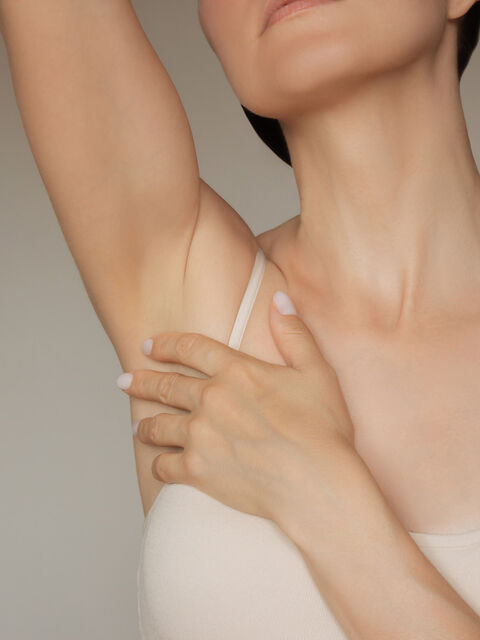
The procedure
Arm Lift in Newport Beach
An arm lift — known medically as brachioplasty — is a surgical procedure that removes excess skin and fat from the upper arm, tightens the underlying tissue, and reshapes the contour from the elbow to the underarm. It addresses a specific concern that diet and exercise cannot resolve: skin that has lost its elasticity and no longer retracts over the arm beneath it.
The need for an arm lift typically follows one of two paths. The first is significant weight loss — whether through bariatric surgery, weight-loss medication, or sustained effort over years. The skin that once stretched to accommodate a larger arm does not always shrink back. The second is the natural breakdown of collagen and elastin that occurs with age, often combined with a genetic tendency toward thinner skin in the upper arm. In both cases, the muscle and fat beneath the skin may be perfectly proportioned — the visible problem is the loose envelope on top.
For the right patient, brachioplasty produces a defined and lasting change. It is not a small procedure: it involves a permanent scar along the inner arm, in exchange for a contour the skin can no longer hold.
His approach
The Approach Depends on the Anatomy
There is no single arm lift. The right technique depends on how much skin is loose, where it sits along the arm, how much fat is present, and how thin or elastic the skin is. The wrong technique — too much for a small concern, too little for a large one — produces a result that doesn't quite resolve the problem or that leaves a longer scar than necessary.
Dr. Nichter assesses each arm in three dimensions. He examines the degree of skin laxity from the underarm down toward the elbow, the volume and quality of subcutaneous fat, and the elasticity of the remaining skin. From that assessment, the appropriate procedure falls into one of three categories: liposuction alone for patients whose skin will retract, a limited-incision approach for those with moderate laxity in the upper portion of the arm, or a full brachioplasty for patients with significant excess from elbow to underarm. For patients who have lost a substantial amount of weight, the contour concern sometimes extends into the lateral chest, and the incision is planned accordingly.
A standard brachioplasty incision runs along the inner upper arm, in the bicipital groove — a position chosen so the scar is hidden against the body when the arms are at the sides and visible mainly when the arms are raised. Dr. Nichter walks through what the scar will look like at one month, six months, and a year out, and where it will sit on your specific anatomy, before any decision is made about the procedure itself.
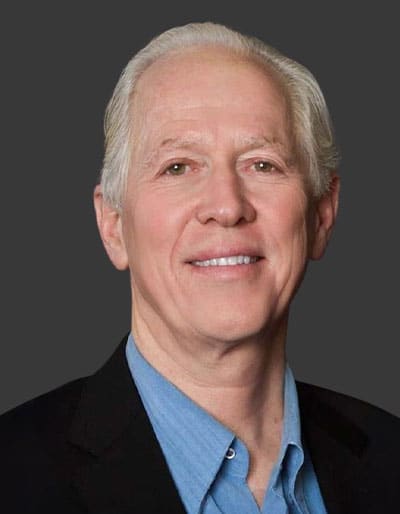
This is the kind of judgment honed by repetition. As a Board Examiner for the American Board of Plastic Surgery and a former tenured Professor of Plastic Surgery at USC, Dr. Nichter holds his own work to the same standard he applies when evaluating that of other surgeons.
Is it right for you
Am I a Good Candidate for an Arm Lift?
Brachioplasty is most appropriate for patients whose upper-arm contour does not reflect their effort or their weight — and whose concern is principally one of skin, not fat alone.
An arm lift may be right for you if:
- You have loose, hanging skin on the upper arm that does not improve with exercise
- You have lost a significant amount of weight (through bariatric surgery, weight-loss medication, or sustained lifestyle change) and your skin has not retracted
- You feel self-conscious in sleeveless clothing or avoid raising your arms in photographs
- You are at or near a stable weight that you can maintain
- You are in good general health
- You are a non-smoker and do not use other forms of nicotine, or are willing to stop well in advance of surgery
- You understand that the procedure leaves a permanent scar along the inner arm, and you have realistic expectations about what that scar looks like
For patients whose concern is excess fat without significant skin laxity, liposuction of the upper arms alone may be sufficient — and avoids the longer incision entirely. Conversely, for patients with substantial excess skin that wraps around onto the chest after major weight loss, a more extended approach is needed. Dr. Nichter recommends the technique that fits your anatomy during consultation.
What to expect
What to Expect
Consultation and Planning
Dr. Nichter examines your upper arms in several positions — at rest, with the arm extended, and with the elbow flexed — to identify where the loose skin sits and how it behaves with movement. He assesses skin elasticity, fat distribution, and the position of the natural inner-arm crease where any incision would be placed. He discusses the three technique options, what each can and cannot accomplish, and what the resulting scar will look like at one month, six months, and a year out. If your concern is part of a larger post-weight-loss contour question, he discusses how arm lift may fit alongside other procedures.
Types of Arm Lift
- Liposuction only — For patients with good skin elasticity and an isolated fat concern. A few small incisions, no skin excision, and the shortest recovery. Skin retracts on its own over several months.
- Limited-incision (mini) brachioplasty — For moderate laxity concentrated near the underarm. The incision sits within the axilla and may extend a short distance onto the upper arm. Suitable for patients whose looseness is in the upper third of the arm.
- Standard brachioplasty — For significant excess skin from elbow to underarm. The incision runs along the inner arm in the bicipital groove. The most common technique for post-weight-loss patients and for patients with substantial skin laxity.
- Extended brachioplasty — For patients who have lost a great deal of weight and whose excess skin continues onto the lateral chest. The incision extends from the inner arm into the underarm and along the side of the chest.
Liposuction is frequently combined with skin excision in the same procedure, addressing both fat and laxity in a single recovery.
Day of Surgery
Most arm lift procedures at Dr. Nichter's surgical facility are performed under general anesthesia, in an outpatient setting. For smaller, liposuction-only cases, oral sedation with local anesthesia may be appropriate. The procedure itself takes approximately two to three hours, depending on the technique and whether liposuction is included.
For a standard brachioplasty, Dr. Nichter marks the planned incision with you standing — the position in which the skin behaves as it will in daily life. He removes the excess skin and underlying fat, tightens the deeper tissue layer, and closes the incision in layers along the inner arm. The skin is closed with a combination of absorbable and non-absorbable sutures designed to minimize tension on the scar. A drain may be placed in larger cases to prevent fluid accumulation.
Immediately After
You are monitored as anesthesia clears. Most patients go home the same day. Your arms are wrapped in soft dressings and an elastic compression sleeve, which supports the tissues and reduces swelling. A friend or family member must drive you home, and someone should stay with you for at least the first twenty-four to forty-eight hours. Movement is restricted from the start — you will use your arms minimally for the first several days.
Recovery
Recovery and Downtime
Arm lift recovery is moderate in length but specific in its restrictions: the upper arms must be allowed to heal without tension on the incision. Following the activity guidance closely is what protects the scar quality.
The First Few Days
Expect swelling, bruising, and tightness across the upper arms. Pain is typically moderate and managed with prescribed medication. The compression sleeve stays on continuously. Drains, if placed, are usually removed within the first few days. Sleep on your back with your arms elevated on pillows above the level of your heart — this reduces swelling and protects the incisions. Reaching, lifting, and overhead movements are off-limits.
Week One
Swelling begins to settle. Many patients are off prescription pain medication by the end of the first week and managing with over-the-counter alternatives. Light daily activity at home is fine; reaching overhead, carrying anything heavier than a few pounds, and sustained arm use are still restricted. Sutures may be removed at the end of week one or beginning of week two, depending on healing.
Weeks Two Through Four
Most patients return to desk work between week one and week two. The compression sleeve continues — typically for three to four weeks total. Bruising fades; swelling continues to diminish. Light, low-impact activity that does not involve the arms can resume. No lifting, pushing, or pulling that engages the upper-arm muscles.
One Month and Beyond
By four to six weeks, most patients are cleared for full daily activity and gradually returning to exercise. Strength training that loads the arms and shoulders waits a bit longer — usually six to eight weeks, with progression guided by Dr. Nichter. Swelling continues to resolve over the following months. The incision will look red or pink at first and gradually fade over the course of a year; final scar maturation typically takes twelve to eighteen months. The contour result is essentially set by three to six months.
Results
A defined, lasting contour.
An arm lift produces a defined, lasting change in the shape of the upper arm. The contour follows the underlying muscle and tissue rather than draping loosely over it. Sleeveless clothing fits and falls differently. Many patients describe the result less as "younger arms" and more as arms in proportion with the body they've maintained — the result they expected after weight loss or sustained effort.
Initial improvement is visible within weeks as the dressings come off and the swelling begins to settle. The full contour develops over three to six months as the deeper tissues finish healing. The incision continues to fade over the first year and matures into a thin line along the inner arm.
Results are long-lasting. The skin that was removed does not return. Maintaining a stable weight protects the contour over time; significant weight gain or further substantial loss can change it.
This woman had a Brachioplasty (Arm Lift)
This 58-year-old patient underwent an arm lift (brachioplasty).
This 36-year-old woman had a Brachioplasty (Arm Lift)
This woman had a Brachioplasty (Arm Lift). Dr. Nichter used a short-scar technique, with the final scar in the armpit.
Investment
Cost and Financing
The cost of an arm lift depends on the technique used (liposuction alone, limited-incision, standard, or extended), whether liposuction is combined with excision, anesthesia, and the surgical facility fee. The American Society of Plastic Surgeons publishes a national average for the surgeon's fee alone, but the figure excludes anesthesia, facility, and other expenses — and is not a meaningful estimate for an individual procedure. A detailed, transparent quote is provided after consultation.
Financing options are available — please ask at your consultation.
Common questions
Frequently Asked Questions
How long does an arm lift take?
About two to three hours, depending on the technique and whether liposuction is combined with skin excision.
Will I be under general anesthesia?
Most arm lifts are performed under general anesthesia in an outpatient surgical facility. For smaller liposuction-only cases, oral sedation with local anesthesia may be an option. Dr. Nichter discusses which approach is appropriate for your procedure.
Where will the scar be, and how visible is it?
For a standard brachioplasty, the incision runs along the inner arm in the bicipital groove — the natural inner-arm crease. With the arm at your side, the scar is hidden against the body. It is most visible when the arm is raised. The scar starts pink or red and fades over twelve to eighteen months. Limited-incision and liposuction-only techniques produce shorter scars or only small puncture marks.
How much time should I take off work?
Most patients return to desk work between week one and week two. Jobs that involve lifting, reaching, or sustained arm use require longer — typically four to six weeks, depending on the demands of the role.
When can I exercise again?
Walking and light lower-body activity may resume within the first couple of weeks. Strength training, yoga, and any exercise that loads the upper arms and shoulders waits until six to eight weeks, with progression guided by Dr. Nichter.
Can liposuction alone fix my arms?
For some patients, yes. If your concern is fat with good underlying skin elasticity, liposuction of the upper arms can refine the contour without a longer incision. The skin retracts on its own over several months. If skin elasticity has been compromised by weight loss or aging, liposuction alone will not address the laxity — and the deflated skin can become more apparent.
Will I lose feeling in my arm?
Some numbness along the inner arm and forearm is common after a standard brachioplasty and usually fades over several months. Persistent altered sensation is uncommon. Dr. Nichter takes care to protect the medial antebrachial cutaneous nerve, which carries sensation to the inner forearm.
Can an arm lift be combined with other procedures?
Yes. For patients who have undergone significant weight loss, brachioplasty is often part of a broader body contouring plan that may include a tummy tuck, breast lift, or other procedures. Combining procedures can mean a single recovery rather than several, when the overall surgical time and patient health allow.
Schedule Your Consultation
If your arms no longer reflect your body — if loose skin or stubborn upper-arm contour persists despite your weight, your fitness, or the work you've put in — an arm lift may be the correction worth considering. Dr. Nichter will examine the skin, discuss the technique appropriate for your anatomy, and explain the trade-offs before any decision is made.
Request a Private ConsultationDr. Nichter sees patients from across the United States and internationally. The office is located in Newport Beach, CA.