Sculpting what exercise cannot.
Some fat deposits resist every effort — not because of insufficient discipline, but because of biology. Dr. Larry Nichter uses liposuction to sculpt and refine these areas with precision, restoring the body contour that diet and exercise alone cannot achieve. Most women develop excess fat even with a normal weight or BMI — typically in a pear, apple, or cello shape — and most men in a "spare tire" around the trunk. In most cases, these areas can be improved and your body restored toward the self-image you have in mind.
Request a Private Consultation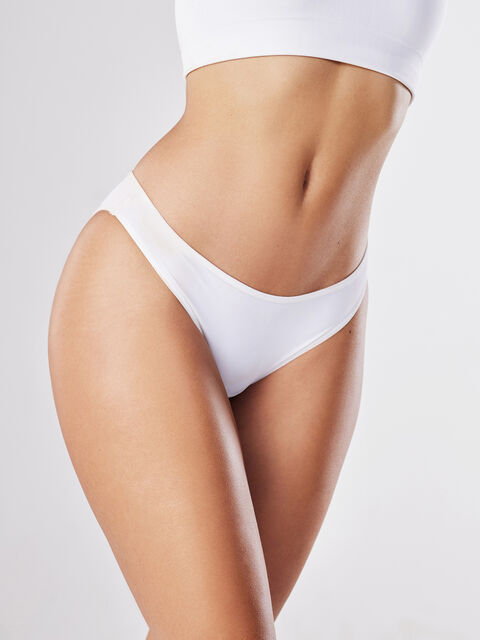
The procedure
Liposuction in Newport Beach
Liposuction is a surgical procedure that removes localized deposits of fat to improve body contour and proportion. Using a thin cannula inserted through small incisions, fat is gently suctioned from targeted areas — the abdomen, flanks, thighs, back, upper arms, chin, or chest — to create a slimmer, more defined silhouette.
The procedure addresses a common frustration: stubborn fat that does not respond to diet and exercise. These deposits are genetically determined. Where your body stores fat — and where it resists releasing it — is largely beyond your control. Liposuction removes fat cells permanently from these areas, reshaping the body in ways that lifestyle alone cannot.
Liposuction is not a weight loss procedure. It is most effective for patients who are at or near their goal weight and want to refine specific areas where fat accumulates disproportionately. The distinction matters: weight loss reduces overall body mass, while liposuction sculpts the contour that remains.
His approach
Contouring, Not Just Removing
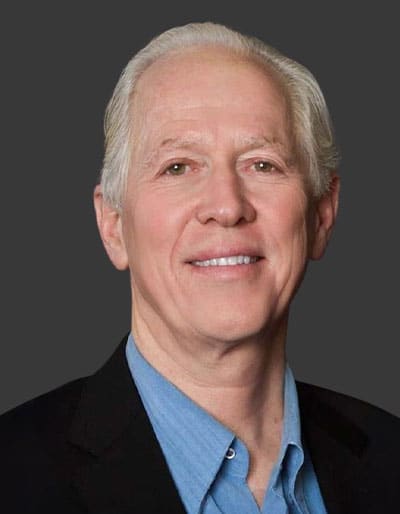
The quality of a liposuction result depends far less on how much fat is removed than on where it is removed, how evenly it is extracted, and how the treated areas relate to the surrounding body. Liposuction is a sculpting procedure — it requires the same spatial judgment as any aesthetic surgery.
Dr. Nichter evaluates the whole frame before treating any single area. He assesses where fat is disproportionate, where contour transitions should be smooth, and where removing fat would create the most natural improvement. A common mistake in liposuction is treating areas in isolation — removing fat from the abdomen without considering the flanks or hips, or sculpting the waist without accounting for the hip transition. Dr. Nichter plans the procedure three-dimensionally.
His technique centers on tumescent liposuction — the gold standard — in which a solution of saline, local anesthetic, and epinephrine is infused into the treatment area before fat is removed. This reduces bleeding, minimizes bruising, and allows more precise extraction. He uses small-caliber cannulas and careful, even passes to avoid contour irregularities, and he assesses symmetry throughout the procedure.
When appropriate, the fat harvested during liposuction can be purified and transferred to another area of the body — the buttocks in a Brazilian Butt Lift or the face in a facial fat transfer. This dual-purpose approach is one of the advantages of working with a surgeon who performs both procedures.
Is it right for you
Am I a Good Candidate for Liposuction?
Liposuction is appropriate for patients who are at or near a healthy weight and have localized fat deposits that persist despite diet and exercise. It is suitable for both men and women.
Liposuction may be right for you if:
- You have stubborn fat deposits in the abdomen, flanks, thighs, back, arms, chin, or chest that do not respond to lifestyle efforts
- You are at a stable weight — liposuction refines contour, it does not replace weight loss
- Your skin has reasonable elasticity (good elasticity allows the skin to retract smoothly after fat removal)
- You are in good general health without conditions that would impair healing
- You are a non-smoker and do not use other forms of nicotine, or are willing to stop well in advance of surgery
- You have realistic expectations about what the procedure can achieve
Liposuction does not treat loose skin. Patients with significant skin laxity — particularly after major weight loss or pregnancy — may benefit more from a tummy tuck, brachioplasty (arm lift), or a combination of liposuction with skin excision. Dr. Nichter will recommend the most appropriate approach during consultation.
For men
Liposuction for Men
Men carry fat differently, and the areas that resist diet and training are predictable: the abdomen, the flanks, the chest, and beneath the chin. Male fat in these areas is typically denser and more fibrous than in women, and it sits over a heavier frame — both of which affect how it is removed and how the skin settles afterward.
The aim for most men is definition rather than reduction: a flatter abdomen, flanks that taper into the waist without narrowing it into an hourglass, and a jawline that separates cleanly from the neck. Dr. Nichter treats the abdomen and flanks as one unit — addressing either alone leaves an unbalanced result — and preserves the straighter, more athletic silhouette that reads as masculine. Two distinctions matter at consultation. A firm, rounded abdomen is usually visceral fat, which sits behind the abdominal wall and cannot be treated with liposuction; that patient is better served by weight loss first. And fullness of the chest is often glandular rather than fatty, in which case gynecomastia surgery is the correct procedure, sometimes combined with liposuction of the surrounding chest.
For fullness beneath the chin in a man with good skin tone, liposuction alone often restores the neckline; when the skin or the neck muscles have loosened, a neck lift is the more complete answer. Recovery is short: a compression garment for a few weeks, desk work within about a week, and the gym in stages from around week two. Men are often back on a normal schedule before anyone has registered a change.
Dr. Nichter performed liposuction to get rid of this patient's gynecomastia, which consisted of primarily excess fatty tissue.
This 35-year-old patient underwent liposuction of hips and upper and lower abdomen. Candidates for Liposuction surgery have excess subcutaneous fat, which is resistant to diet and exercise and wish to change the contours of their body. The common areas for liposuction surgery are the upper part of the neck (under the chin), upper arms and armpits, male chest/breasts, trunk, abdomen, waist, hips, thighs, flank, back, inner knees, and ankles.
What to expect
What to Expect
Consultation and Planning
Dr. Nichter examines your body proportions, fat distribution, skin quality, and the specific areas that concern you. He identifies which areas would benefit most from contouring and discusses how the treated areas will relate to the surrounding anatomy. If the harvested fat could be used for transfer to another area, he discusses that option. You leave with a detailed surgical plan.
Day of Surgery
Liposuction may be performed under general anesthesia or local anesthesia with sedation, depending on the number and size of areas being treated. The procedure takes one to three hours.
Dr. Nichter infuses the treatment areas with tumescent solution — a mixture of saline, lidocaine, and epinephrine that numbs the tissue, constricts blood vessels, and separates fat cells for easier removal. Through small incisions (typically a few millimeters), he inserts a thin cannula and uses controlled, even movements to extract fat. The incisions are placed in natural creases or inconspicuous locations where they heal with minimal visibility.
Multiple areas can be treated in a single session — the abdomen and flanks, the thighs, or the arms and back. There are safe limits on how much fat can be removed in one procedure, and Dr. Nichter plans within those boundaries.
Immediately After
You are monitored as anesthesia clears. Most patients go home the same day. You will wear a compression garment over the treated areas to support the tissue and reduce swelling. A friend or family member must drive you, and someone should stay with you for the first night.
Recovery
Recovery and Downtime
Liposuction recovery varies with the number and size of areas treated. Smaller, single-area procedures have a shorter recovery; multi-area contouring requires more time.
The First Few Days
Expect swelling, bruising, and soreness in the treated areas — similar to a deep bruise. Discomfort is manageable with prescribed medication and typically transitions to over-the-counter pain relief within a few days. The compression garment should be worn as directed. Some fluid drainage from the incision sites is normal during the first day or two. Keep moving — light walking promotes circulation and reduces the risk of blood clots.
Week One
Bruising begins to fade. Swelling remains significant — you will not see your final contour yet. Most patients return to desk work within five to seven days, though some who work from home resume earlier. Avoid heavy lifting, vigorous exercise, and anything that causes strain. Continue wearing the compression garment.
Weeks Two Through Four
Swelling continues to diminish, and the new contour begins to emerge. Most patients feel comfortable resuming social activities by week two. Light exercise — walking, gentle movement — can typically resume around week two to three. Avoid high-impact exercise and heavy lifting until cleared, usually around week four.
Three to Six Months
The final result develops gradually. Residual swelling can persist for several months, particularly in the lower body. By three to four months, approximately 70 percent of the result is visible. Full and final contour — with all swelling resolved and the skin fully retracted — is typically apparent at six months.
Results
Natural, lasting improvement.
Liposuction permanently removes fat cells from the treated areas. Once removed, those cells do not regenerate. The contour achieved is lasting — provided you maintain a stable weight.
Initial improvement is visible within weeks as swelling subsides. The final result emerges over three to six months as the tissue heals and the skin conforms to the new contour. Patients with good skin elasticity see the smoothest, most defined results.
Weight gain after liposuction distributes unevenly — fat will accumulate in untreated areas rather than returning to the treated ones. This is why maintaining a stable weight matters: it preserves the proportional improvement that liposuction creates.
The result of well-performed liposuction is not a different body. It is the body you have, refined — with disproportionate deposits removed and contours brought into balance.
Vaser liposuction of the abdomen and hips was a great option compared to traditional liposuction due to skin laxity concerns. She responded very well to the procedure and has a much improved body contour.
This female patient was treated with liposuction surgery to remove fat from her abdomen, back and hips and to improve body shape.
This 27-year-old patient underwent liposuction of the abdomen and hips. Candidates for Liposuction surgery have excess subcutaneous fat, which is resistant to diet and exercise and wish to change the contours of their body. The common areas for liposuction surgery are the upper part of the neck (under the chin), upper arms and armpits, male chest/breasts, trunk, abdomen, waist, hips, thighs, flank, back, inner knees, and ankles.
Liposuction was performed on her abdomen, hips and back to improve her body shape.
Galleries: Liposuction 34Vaser Liposuction 3
Investment
Cost and Financing
The cost of liposuction depends on the number and size of areas treated, the technique used, anesthesia, and whether the procedure is combined with other treatments such as a tummy tuck or fat transfer. A detailed quote is provided after consultation.
Financing options are available — please ask at your consultation.
Common questions
Frequently Asked Questions
How much fat can be removed during liposuction?
There are safe limits on fat removal — generally up to five liters in an outpatient setting, though the appropriate amount depends on the patient's size, health, and the areas being treated. Dr. Nichter plans the procedure to stay within safe guidelines while achieving the best contour.
Will liposuction help me lose weight?
Liposuction is a contouring procedure, not a weight loss method. It removes localized fat deposits to improve body shape and proportion. Patients who are at or near their goal weight and want to refine specific areas see the best results.
Will the fat come back?
Fat cells that are removed do not regenerate. However, remaining fat cells elsewhere in the body can still enlarge with weight gain. Maintaining a stable weight preserves the result. If you gain significant weight after liposuction, fat will accumulate in untreated areas rather than the treated ones.
How visible are the scars?
Liposuction incisions are small — typically a few millimeters — and are placed in natural creases or inconspicuous locations. They fade significantly over time and are rarely noticeable once fully healed.
Can liposuction be combined with other procedures?
Yes. Liposuction is commonly combined with a tummy tuck for comprehensive abdominal contouring, or the harvested fat can be transferred to the buttocks (Brazilian Butt Lift) or face (fat transfer). It is also a frequent component of a mommy makeover.
Does liposuction treat cellulite?
No. Liposuction removes fat deposits but does not address the fibrous bands beneath the skin that cause cellulite dimpling. Dr. Nichter offers separate cellulite reduction treatments for that concern.
How long do I need to wear the compression garment?
Typically four to six weeks, though the specific duration depends on the areas treated and how your body heals. The garment supports the tissue, reduces swelling, and helps the skin conform to the new contour.
Schedule Your Consultation
If stubborn fat deposits are affecting your body contour despite your best efforts, liposuction may be the refinement you are looking for. Dr. Nichter will assess your anatomy, identify the areas where contouring would have the most impact, and recommend the most effective approach.
Request a Private ConsultationDr. Nichter sees patients from across the United States and internationally. The office is located in Newport Beach, CA.