Not a surface problem.
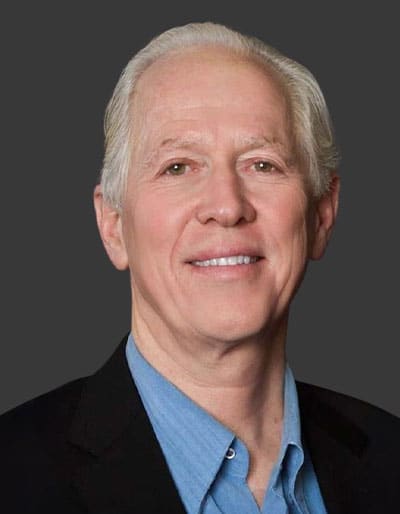
Cellulite is structural — fibrous bands beneath the skin pulling it inward, creating the dimpled appearance that no amount of exercise or topical cream can resolve. Dr. Larry Nichter treats cellulite at its source, releasing the bands that cause it.
Request a Private Consultation
The procedure
Cellulite Reduction in Newport Beach
Cellulite is the dimpled, uneven skin texture that commonly appears on the thighs, buttocks, and hips. It affects an estimated 90 percent of women at some point in their lives, regardless of weight or fitness level. It is not a fat problem — it is a structural one.
Beneath the skin, vertical fibrous bands called septae connect the skin's surface to the deeper tissue. When these bands are short, tight, or unevenly distributed, they pull the skin downward while the surrounding fat pushes upward, creating the characteristic dimpled or puckered appearance. This is why cellulite persists even in lean, active patients: the underlying structure, not excess fat, is the cause.
Cellulite reduction treatments target these fibrous bands and the tissue beneath the skin — addressing the root of the problem rather than its surface appearance. The goal is meaningful improvement in skin texture and smoothness.
His approach
Releasing What Pulls the Skin Down
Most cellulite treatments over the years have targeted symptoms — applying energy, massage, or suction to the skin's surface in the hope of temporarily smoothing its appearance. The results have been modest and short-lived, because they do not address the fibrous bands that cause the dimpling in the first place.
Dr. Nichter's approach focuses on the structural cause. For patients with moderate to severe cellulite — the kind that is visible when standing, not just when the skin is compressed — he evaluates the pattern of dimpling, the depth and distribution of the fibrous bands, and the surrounding tissue quality. Based on this assessment, he recommends the treatment most likely to produce a meaningful, lasting improvement.
For many patients, minimally invasive subcision — a technique that mechanically releases the fibrous bands beneath the skin — offers the most direct and durable results. The procedure is precise: individual bands are identified and released, allowing the skin above to smooth and even out. In some cases, fat transfer may be used to fill depressions where volume loss is contributing to the uneven contour.
Dr. Nichter's advanced understanding of the anatomy that produces cellulite — and extensive experience working across the underlying fibrous tissue layers — allows precise identification of which bands to release and how deeply to work. This is not a one-size-fits-all treatment. It is a careful, individualized assessment.
Is it right for you
Am I a Good Candidate for Cellulite Reduction?
Cellulite reduction is appropriate for patients who are bothered by the dimpled appearance of their skin — typically on the thighs, buttocks, or hips — and want improvement that goes beyond what topical products and exercise can achieve.
Cellulite treatment may be right for you if:
- You have visible cellulite on the thighs, buttocks, or hips that persists regardless of diet and exercise
- You are in good general health and at a stable weight
- You understand that the goal is meaningful improvement in skin texture, not the complete elimination of all dimpling
Cellulite reduction is not a weight loss procedure. Patients who are significantly overweight may be better served by first reaching a stable weight, then assessing what cellulite treatment can add. Dr. Nichter will give you an honest evaluation of what is achievable for your specific anatomy during consultation.
What to expect
What to Expect
Consultation and Assessment
Dr. Nichter examines the cellulite pattern — where the dimpling occurs, its depth and severity, the quality of the surrounding skin and tissue. He determines whether the dimpling is caused primarily by fibrous banding, volume loss, or both, and recommends a treatment plan accordingly.
Minimally Invasive Subcision
For cellulite caused by fibrous bands pulling the skin inward, subcision is the most direct treatment. The procedure is performed under local anesthesia in approximately 45 minutes to one hour.
Using a small device inserted beneath the skin through a tiny entry point, Dr. Nichter identifies and releases the individual fibrous bands responsible for the dimpling. Once a band is released, the skin above it is freed to smooth and rise to the level of the surrounding tissue. The precision of this approach means that each dimple is treated individually, and the release is verified in real time during the procedure.
Fat Transfer (When Indicated)
For areas where volume loss contributes to the uneven contour — depressions that persist even after bands are released — fat transfer may be recommended. Fat is harvested from a donor site via small-cannula liposuction, purified, and injected beneath the dimpled area to restore a smoother surface. This is the same fat transfer technique used in facial fat grafting and Brazilian Butt Lift, adapted for a different purpose.
Immediately After
Most patients leave the office the same day. The treated areas may be tender and mildly bruised. A compression garment may be recommended for the first few days.
Recovery
Recovery and Downtime
Cellulite reduction is a minimally invasive procedure with a short recovery. Most patients return to their normal routine quickly.
The First Few Days
Expect mild soreness, tenderness, and bruising in the treated areas. Over-the-counter pain relief is typically sufficient. Some patients notice mild swelling. Light daily activity is fine, but avoid vigorous exercise.
Week One
Bruising begins to fade. Soreness diminishes. Most patients return to work within a day or two of the procedure — some the same day. Avoid intense exercise, deep tissue massage, and prolonged pressure on the treated areas.
Weeks Two Through Four
The treated areas continue to smooth and improve as the skin settles after band release. Mild swelling may persist. You can resume exercise and full activity, typically by week two.
One to Three Months
Results continue to refine over the following weeks as the tissue heals and the skin achieves its final contour. The full improvement is usually visible at around three months.
Results
Natural, lasting improvement.
Improvement is often noticeable within days as the released bands allow the skin to smooth. Results continue to refine over one to three months as mild swelling resolves and the tissue fully heals.
For subcision-based treatments, results are long-lasting because the fibrous bands that caused the dimpling have been physically released. They do not grow back. However, cellulite is a progressive condition — new bands may form over time, and aging and hormonal changes continue to affect skin quality. The treated areas remain improved, but maintenance treatment may be desired in the future.
Fat transfer, when used to fill depressions, provides permanent volume improvement from the surviving fat cells, though some reabsorption is normal.
Cellulite treatment produces meaningful improvement in skin smoothness and texture. Complete elimination of all dimpling is not realistic, but patients who understand the goal — smoother, more even skin — are consistently satisfied with their results. Treatment does not prevent new cellulite from forming in other areas over time, but those areas can be addressed in the same way if needed.
This 37 year old female patient was unhappy with the appearance of cellulite on her buttocks and thighs. Dr. Nichter performed the minimally invasive Cellfina treatment in his office surgical suite. Patient will continue to notice improvement in the appearance of her cellulite over a two year period.
This female patient wanted to improve the appearance of cellulite on her buttocks and the area just below (upper thigh). After just one treatment she saw noticeable improvement. Her result will continue to improve over the next four or so weeks.
Galleries: UltraShape 3Cellfina 2Velashape 1
Investment
Cost and Financing
The cost of cellulite reduction depends on the treatment approach, the size of the area being treated, and whether fat transfer is involved. A detailed quote is provided after consultation.
Financing options are available — please ask at your consultation.
Common questions
Frequently Asked Questions
Why doesn't exercise get rid of cellulite?
Cellulite is not caused by excess fat — it is caused by fibrous bands beneath the skin that pull the surface inward. Exercise can reduce overall body fat and improve muscle tone, which may modestly improve the appearance of cellulite, but it cannot release or eliminate these structural bands. That is why even very fit, lean individuals can have cellulite.
How long does the procedure take?
Approximately 45 minutes to one hour for subcision, depending on the number of areas treated. If fat transfer is included, the procedure may take longer.
Is it painful?
The procedure is performed under local anesthesia, so you should not feel pain during treatment. It can also be combined with other procedures performed under general anesthesia, such as a Brazilian Butt Lift. Afterward, expect mild soreness and tenderness similar to a bruise. Most patients manage post-procedure discomfort with over-the-counter pain relief.
How long do results last?
Because subcision physically releases the fibrous bands causing the dimpling, results are long-lasting. The released bands do not regenerate. However, new cellulite may develop over time in untreated areas or as skin changes with aging. Maintaining a stable weight and healthy lifestyle supports the longevity of results.
Can cellulite reduction be combined with other body procedures?
Yes. Cellulite reduction is sometimes performed alongside liposuction or as part of a broader body contouring plan. Dr. Nichter can discuss whether a combined approach makes sense for your anatomy and goals.
Is there a difference between cellulite and loose skin?
Yes. Cellulite is dimpling caused by fibrous bands pulling the skin inward. Loose skin is excess skin that lacks elasticity, often after weight loss or pregnancy. The treatments are different. Loose skin may require surgical excision (such as a tummy tuck), while cellulite requires releasing the underlying structural cause.
Will I need more than one treatment?
Many patients see meaningful improvement from a single treatment session. Depending on the severity and distribution of cellulite, some patients benefit from a second treatment. Dr. Nichter will discuss realistic expectations and whether multiple sessions may be appropriate during your consultation.
Schedule Your Consultation
If cellulite has not responded to exercise, diet, or topical treatments, the issue is structural — and a consultation can help you understand what treatment can realistically achieve. Dr. Nichter will assess the pattern and cause of your cellulite, recommend the most appropriate approach, and explain what treatment can realistically achieve.
Request a Private ConsultationDr. Nichter sees patients from across the United States and internationally. The office is located in Newport Beach, CA, a short distance from John Wayne Airport (Santa Ana).