Small change. Lasting difference.
For patients who have spent years aware of their ears — avoiding certain hairstyles, turning away in photos — otoplasty offers a permanent, subtle change. Dr. Larry Nichter reshapes and repositions the ears through hidden incisions, with results that look entirely natural.
Request a Private Consultation
The procedure
Ear Surgery in Newport Beach
Ear surgery — known medically as otoplasty — is a procedure that reshapes, resizes, or repositions the ears. It most commonly addresses ears that protrude too far from the head, but it can also correct ears that are overly large, asymmetric, or unusually shaped due to genetics, injury, or a congenital condition.
The impact of prominent or misshapen ears is easy to underestimate. For many patients — both adults and children — ear appearance is a source of quiet, persistent self-consciousness. They style their hair to cover their ears, avoid profiles in photographs, or have carried the awareness since childhood. Otoplasty addresses this concern permanently, with results visible almost immediately.
The procedure is performed on patients as young as five, once ear cartilage has developed enough to hold its new shape, and there is no upper age limit. It is an outpatient procedure with a relatively short recovery, and the results are permanent.
His approach
Precision in Cartilage, Permanence in Shape
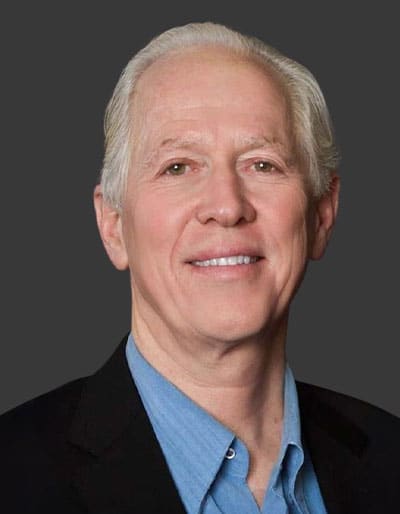
Otoplasty is a procedure of structure — it requires reshaping living cartilage so that it holds a new position permanently, without springing back or losing its form. The difference between a result that lasts and one that partially reverts comes down to how the cartilage is handled: how it is scored, sutured, and repositioned.
Dr. Nichter brings a depth of experience with cartilage and soft tissue reconstruction that extends well beyond cosmetic ear surgery. His career has included extensive reconstructive work — reshaping and rebuilding tissue in cases far more complex than a standard otoplasty. That background informs a precise understanding of how cartilage behaves, how to reshape it reliably, and how to achieve symmetry that looks natural from every angle.
For protruding ears, he reshapes the cartilage and uses permanent sutures to bring the ears closer to the head, placing all incisions behind the ear where they are completely hidden. For ears that are misshapen or asymmetric, the technique is adapted — sometimes requiring external incisions placed within the natural folds of the ear, where they heal to near-invisibility. The goal in every case is ears that look like they simply belong, drawing no attention at all.
Is it right for you
Am I a Good Candidate for Ear Surgery?
Otoplasty is appropriate for healthy patients of almost any age who want to improve the appearance of their ears. Unlike most cosmetic procedures, it is commonly performed on children — typically age five and older — as well as adolescents and adults.
Ear surgery may be right for you (or your child) if:
- The ears protrude noticeably from the head
- One or both ears are overly large or asymmetric
- The ears are misshapen due to genetics, injury, or a congenital condition
- Earlobes are elongated, stretched, or torn (from aging, earrings, or trauma)
- The ear's appearance causes self-consciousness or avoidance behaviors
Good candidates are in good general health and, for adults, have realistic expectations about what the procedure can achieve. For children, the decision is typically made by parents in consultation with the child — Dr. Nichter ensures the child is comfortable and that the timing is appropriate. Early correction can spare a child years of social discomfort.
What to expect
Your Ear Surgery Experience
Consultation and Planning
Dr. Nichter examines the ears from the front and behind, assessing cartilage structure, symmetry, projection, and the specific concerns to be addressed. He discusses the technique he recommends, what the result will look like, and answers every question — from parents if the patient is a child.
The Day of Your Procedure
Otoplasty is typically performed under local anesthesia with sedation for adults. For children, general anesthesia is usually recommended for comfort and safety. The procedure takes one to three hours, depending on the extent of correction.
For protruding ears, Dr. Nichter places incisions behind the ears — completely hidden from view. Through these incisions, he reshapes the ear cartilage, creating or enhancing the natural folds that allow the ear to sit closer to the head. Permanent sutures hold the cartilage in its new position. If the ears are also too large, excess cartilage can be removed and the ear resized.
For ears that are misshapen or require more complex reshaping, incisions may be placed in the natural folds on the front of the ear, where they are concealed by the ear's own contours. The technique is adapted to the specific anatomy — no two ears are identical, and the correction should account for natural asymmetry.
Immediately After
Bandages are placed over the ears to protect them and support the new shape during initial healing. Most patients go home within an hour or two. A friend or family member will need to drive you (or your child) home.
Recovery
Recovery and Downtime
Otoplasty recovery is relatively short. Most patients — including children — tolerate it well and return to their routines quickly.
The First Few Days
Bandages remain in place over the ears. Expect some soreness, swelling, and a throbbing sensation — manageable with prescribed pain medication. Keep the bandages dry and avoid sleeping on the ears. Children should be monitored to ensure they do not pull at or disturb the dressings.
Week One
Bandages are removed at a follow-up appointment, typically within three to seven days. The ears will appear swollen and may be bruised, but the new shape is already visible. Once the bandages are off, a soft elastic headband should be worn at night to protect the ears during sleep — typically for three weeks. Avoid touching or rubbing the ears.
Weeks Two Through Four
Swelling continues to diminish. Most adults can return to work within a week; children can return to school within seven to ten days. Light activity is fine. Avoid any contact sports, rough play, or activities that could bend or impact the ears.
Six Weeks and Beyond
By six weeks, the ears have healed significantly and most activity restrictions are lifted, including contact sports. Protect the ears from direct sun exposure. Some residual swelling may persist for three to six months, after which the final result is fully apparent. The results of otoplasty are permanent — the cartilage retains its new shape.
Results
Natural, lasting improvement.
The new ear shape is visible as soon as the bandages come off, though swelling partially obscures the final result for the first several weeks. By three to six months, all swelling has resolved and the ears have settled into their permanent position.
Otoplasty results are permanent. The reshaped cartilage holds its form, and the ears will not gradually return to their previous position. Scarring, placed behind the ear or within its natural folds, continues to fade over the following months and is typically imperceptible.
For patients who have spent years conscious of their ears, the change is often described less as a transformation and more as a removal of distraction — the ears simply stop being something they think about.
This woman had an Otoplasty (Ear Surgery)
This gentleman had an Otoplasty (Ear Surgery)
This woman had an Otoplasty
This patient had an Otoplasty (Ear Surgery)
Investment
Cost and Financing
The cost of ear surgery depends on the extent of correction, the technique used, anesthesia, and whether one or both ears are being addressed. A detailed, transparent quote is provided after consultation, once Dr. Nichter has examined the ears and discussed the surgical plan.
Financing options are available — please ask at your consultation.
Common questions
Frequently Asked Questions
At what age can a child have ear surgery?
Otoplasty can be performed on children as young as five, once the ear cartilage has developed enough to hold its new shape reliably. For children with prominent ears, early correction can prevent years of teasing and self-consciousness. Dr. Nichter evaluates each child individually and ensures the timing is appropriate.
Will there be visible scars?
For protruding ears, incisions are placed entirely behind the ear — they are not visible from any normal angle. For ears requiring more complex reshaping, incisions are placed within the natural folds of the ear, where they heal to near-invisibility. Individual healing varies, but scarring from otoplasty is among the least visible of any cosmetic procedure.
Is the result permanent?
Yes. The reshaped cartilage holds its new form permanently. The ears will not gradually return to their previous position.
Can ear surgery fix a torn earlobe?
Yes. Earlobes that have been torn, stretched, or elongated — from heavy earrings, trauma, or aging — can be repaired. This is a simpler procedure than full otoplasty and is typically performed under local anesthesia in the office. Earrings can usually be re-pierced several weeks after healing.
How long does the procedure take?
One to three hours, depending on the extent of correction and whether one or both ears are being addressed.
How long before I can return to work or school?
Most adults return to work within a week. Children typically return to school within seven to ten days. Contact sports and rough physical activity should be avoided for six weeks.
Does ear surgery affect hearing?
No. Otoplasty addresses the outer ear — the visible cartilage and skin. It does not involve the ear canal or any structures related to hearing.
Schedule Your Consultation
If prominent or misshapen ears have been a source of self-consciousness — for you or your child — a consultation can help you understand what otoplasty can achieve. Dr. Nichter will examine the ears, explain the recommended technique, and discuss what to expect from surgery and recovery.
Request a Private ConsultationDr. Nichter sees patients from across the United States and internationally. The office is located in Newport Beach, CA.